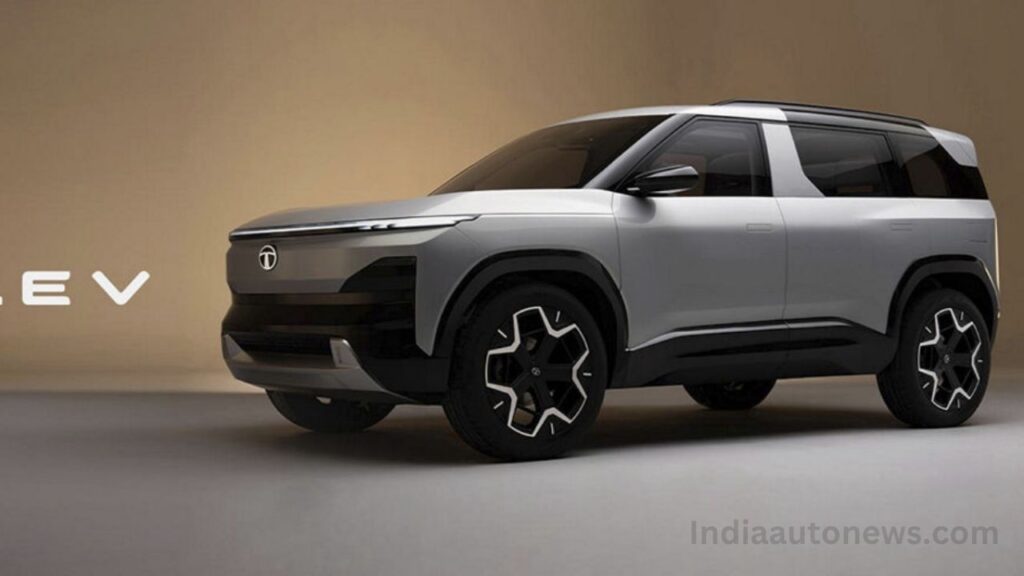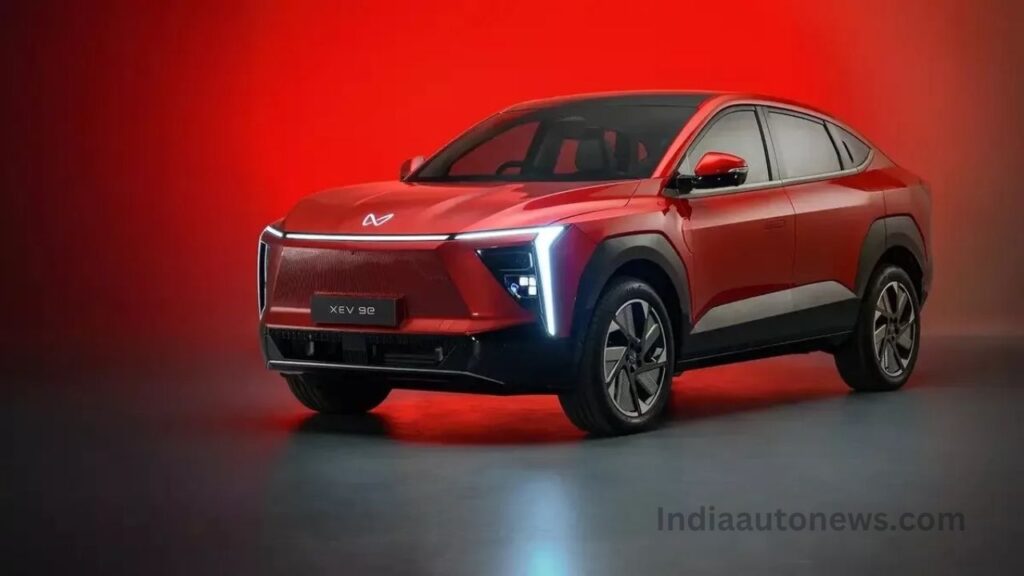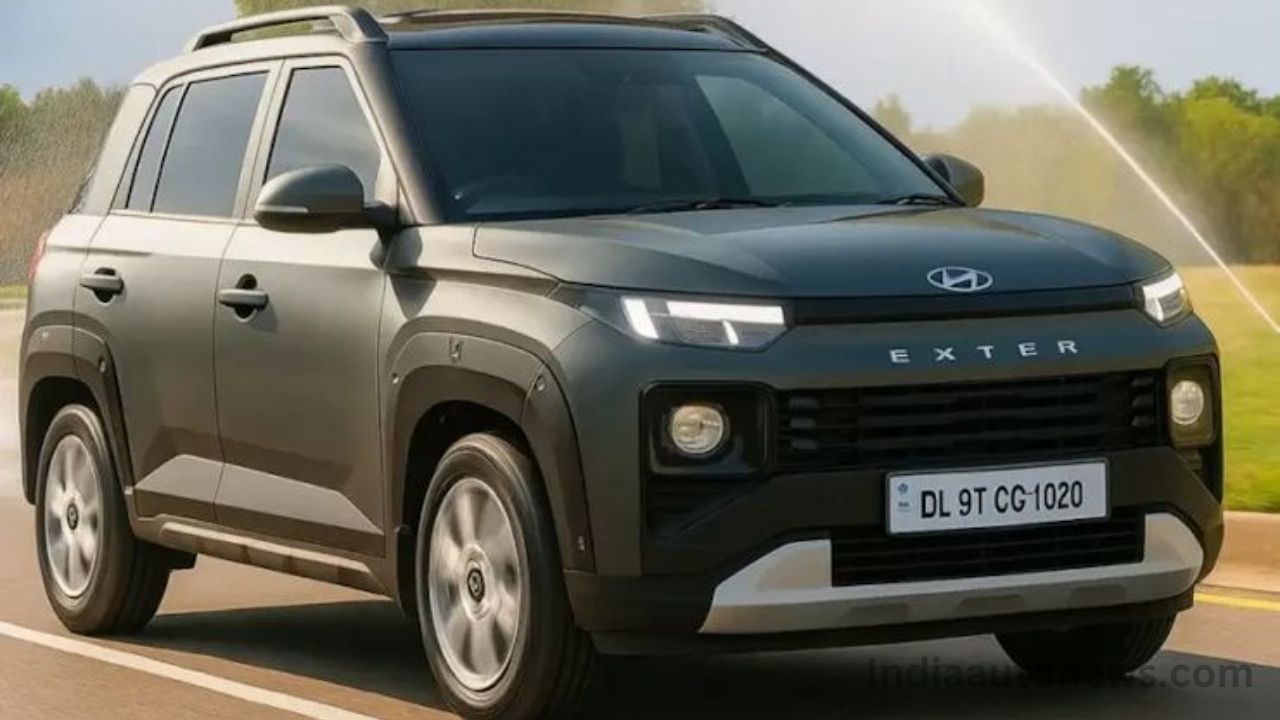
Hyundai Bayon: Hyundai is preparing to come up with a powerful and straight competitor against Maruti Fronx for the compact crossover segment. The Bayon, which is already available in Europe, will be modified for Indian markets and will be launched in the second half of 2026. The Bayon will be featuring luxe design, cutting-edge technology and a variety of powertrains to stake its claim for a significant part of the Indian SUV market which is very hot now.
Also Read: Toyota Hyryder vs Maruti Grand Vitara: Which SUV Is the Better Choice?
Design
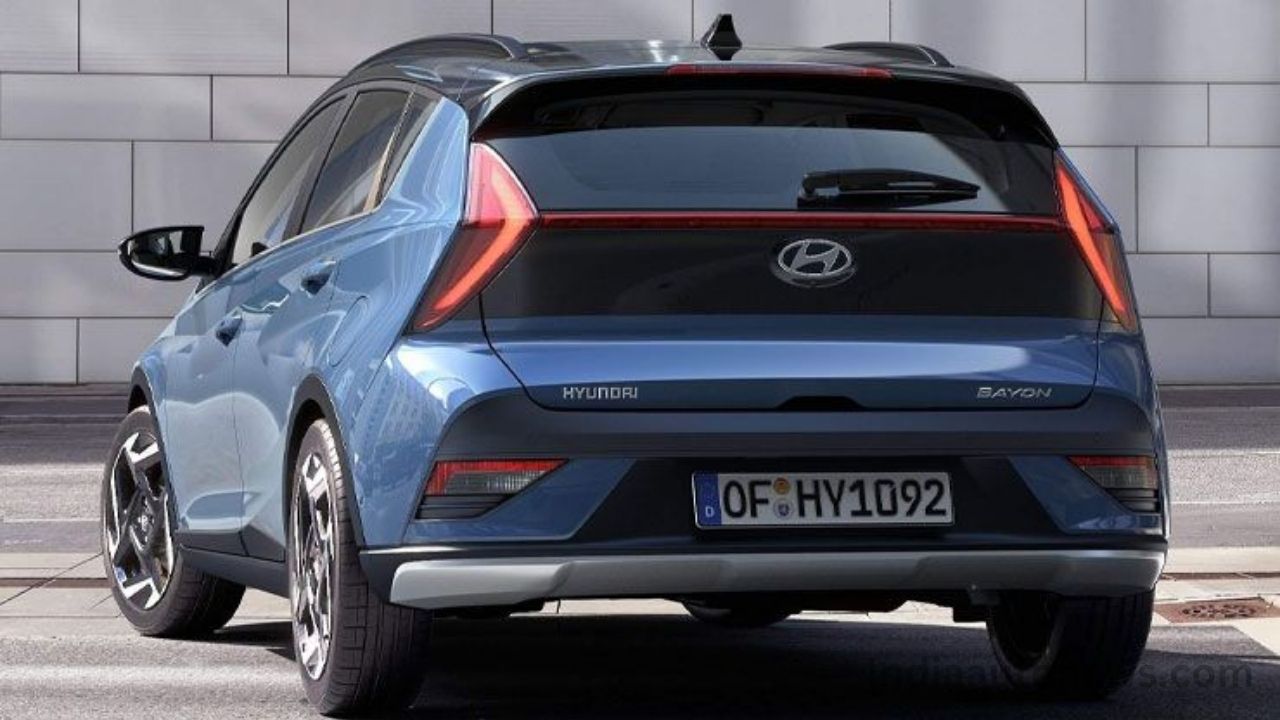
The Bayon ready for India will be based on the platform of the next-gen i20. To make it eligible for compact car tax perks, Hyundai will reduce the length to below 4000 mm. The size of the global model is 4.18 meters long, 1.775 meters wide, and 1.5 meters high. It is expected that the India version will have a more vertical stance, greater ground clearance, and more robust styling details borrowed from Hyundai’s latest SUV family.
The European version of Bayon provides a smart look already, consisting of split headlights, LED light bars, roof rails, and sturdy body cladding. A similar visual approach is expected in India, which will not only help the SUV to differentiate itself from the Fronx but also give it a more universal and polished appearance with sharp detailing.
Space
The Bayon is referred to as a “cabin of a spacious” despite its small footprint. The global model has a wheelbase of 2,580 millimetres which translates to very good legroom and a flexible boot. The luggage space is set to be 411 litres which can be increased to 1,205 litres when the rear seats are down. The dual-level boot floor will contribute to making it more practical.
Hyundai plans to keep the space-efficient layout of the global version in the Indian version as well. The main concern will be providing a large second row, a deep boot, and smart storage spaces which are perfect for small families that require an urban-friendly yet cozy crossover.
Engine
The car manufacturing company Hyundai has decided to introduce five different petrol engine variants for the Bayon in the Indian market. One of them will be a 1.2-litre turbocharged petrol motor that is newly developed and capable of generating up to 160 horses and 253 newton-meter of torque. This powertrain will comply with CAFE 3 regulations and will be ready for the upcoming BS7 emission norms.
Different types of transmissions are the six-speed manual, seven-speed dual-clutch automatic, and maybe an e-CVT for some variants. One of the engine variants that will be available is the 1.0-litre turbocharged petrol unit which will be offered in two different power outputs besides the reliable 1.2-litre naturally aspirated motor that is used in the outgoing i20.
The already available in the international market mild-hybrid technology might be added later on to enhance the engine’s fuel efficiency and lower its emissions.
Features
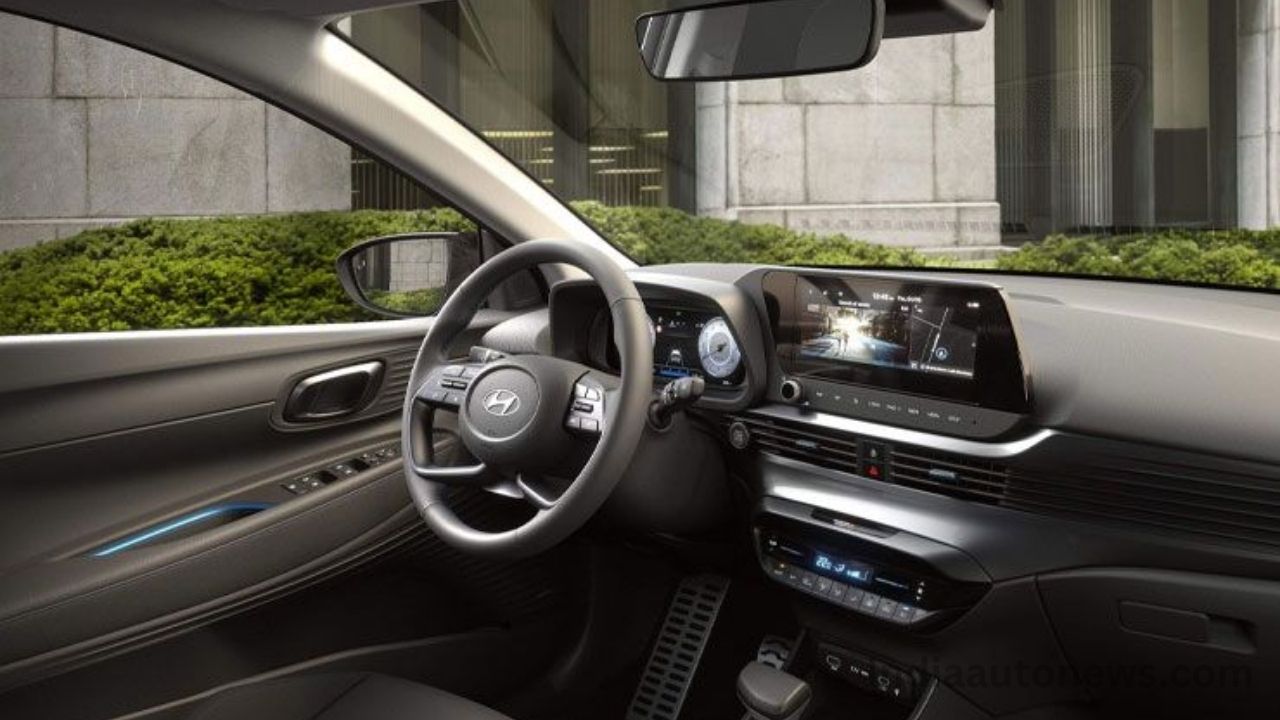
The Bayon is going to be a well-equipped small SUV. The buyers will get alongside the standard features the option of digital dual 10.25-inch displays, wireless Android Auto, and Apple CarPlay, Hyundai’s BlueLink connected features with over-the-air (OTA) updates, automatic climate control, wireless charging, ambient lighting, and a Bose premium audio system in higher variants.
Safety will be another area of focus. It is expected that the top variants will be equipped with Level 2 ADAS which includes features such as lane-keeping assist, forward collision avoidance, blind-spot monitoring, and rear cross-traffic alert. The base model will feature six airbags, electronic stability control, hill-start assist, anti-lock brakes (ABS) with electronic brake-force distribution (EBD), and rear parking sensors.
The design aspects that will be like split LED headlamps, 17-inch alloy wheels, thick cladding, and 183 mm ground clearance will ensure that the Bayon is ready to handle the challenging Indian road conditions as well as the potholes easily found in certain areas of the city.
Launch
Hyundai will place the Bayon under the Venue, thus opening a new entry point in the OEM’s SUV portfolio. The release is scheduled for the latter part of 2026, and pricing for the initial batch is projected to be less than ten lakh rupees. The top-spec versions could be priced at sixteen lakh rupees ex-showroom, so the Bayon would be positioned just above the Maruti Fronx but still cater to consumers wanting a more upscale, well-equipped crossover.