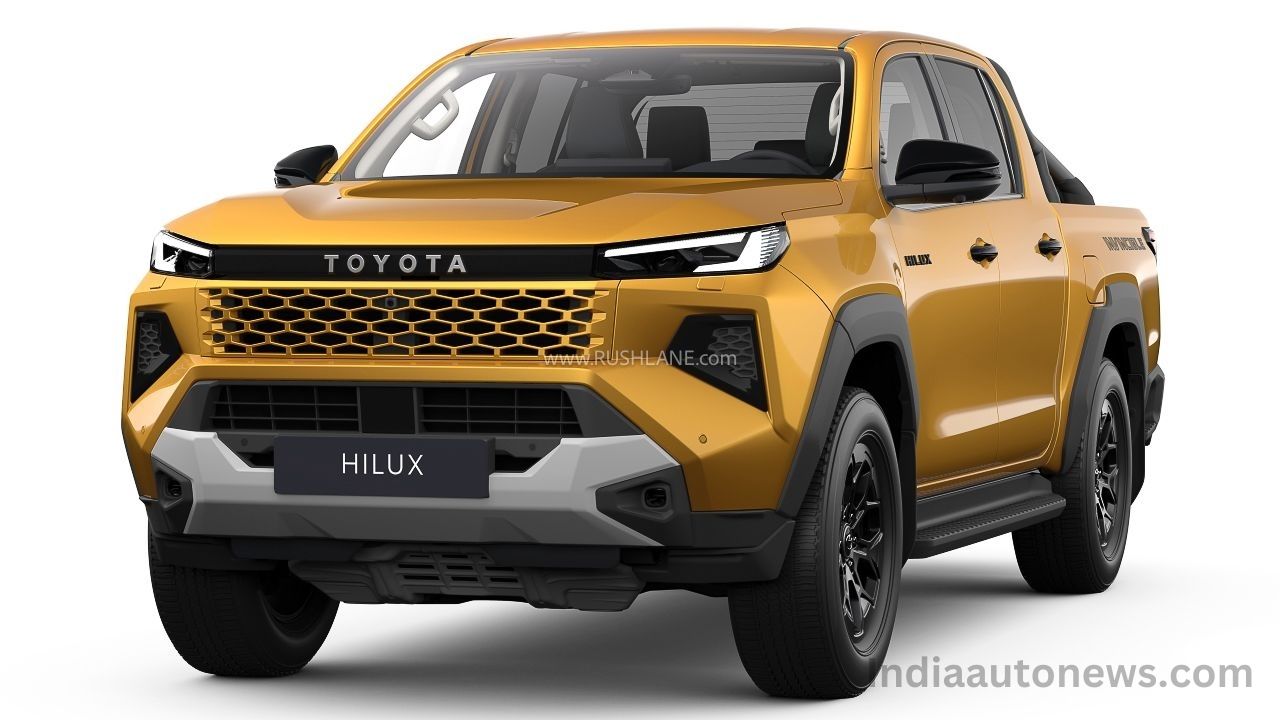
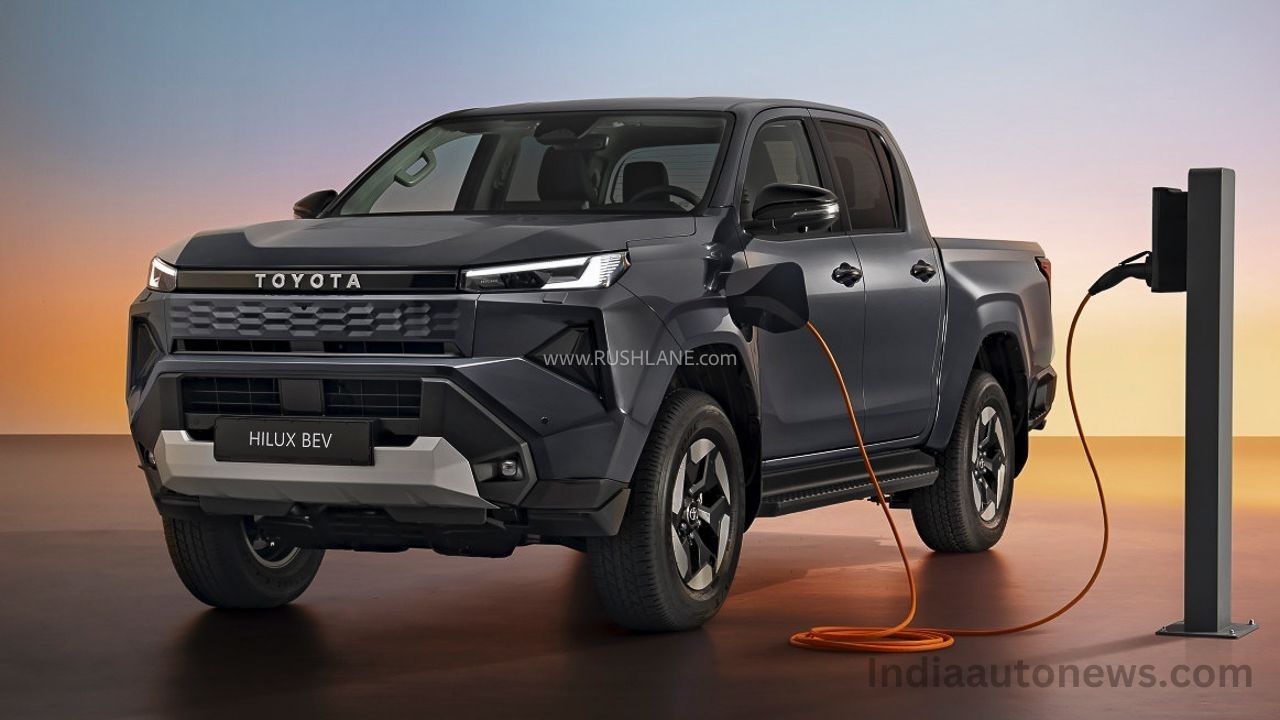
2026 Toyota Hilux – Toyota has also shown the ninth-generation 2026 Hilux which is going to be the most and the biggest transformation of the pickup as hybrid mobility pangs on the company. First, the new Hilux makes it possible to have an unprecedented range of powertrains that consist of electric battery-electric vehicles (BEV), hydrogen fuel cells vehicles (FCEV), 48V hybrids, and the good old-fashioned diesel and petrol options. The new-generation model is righteous to Toyota’s multi-path strategy, that is, it will be able to serve different regional and customer needs while at the same time keeping the ruggedness and off-road capability that the Hilux is famous for.
Design
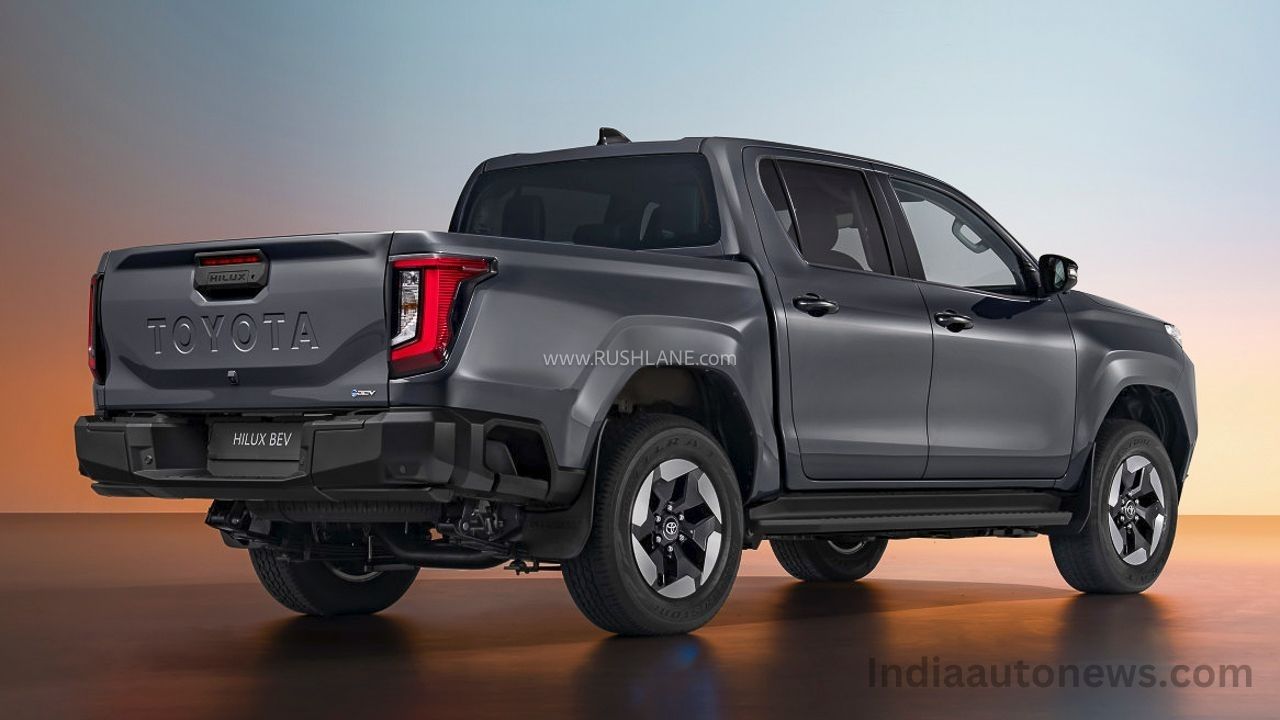
The design of the 2026 Hilux is based on the “Tough and Agile” concept. The front end is designed with thinner headlamps, a large horizontal TOYOTA badge, and an altered bumper. The BEV version possesses a grille that is closed off for better aerodynamics and has exclusive alloy wheels. Along with a new rear deck step, reshaped side steps, and a unique Double Cab body style, practicality is heightened to ensure that there is both style and functionality.
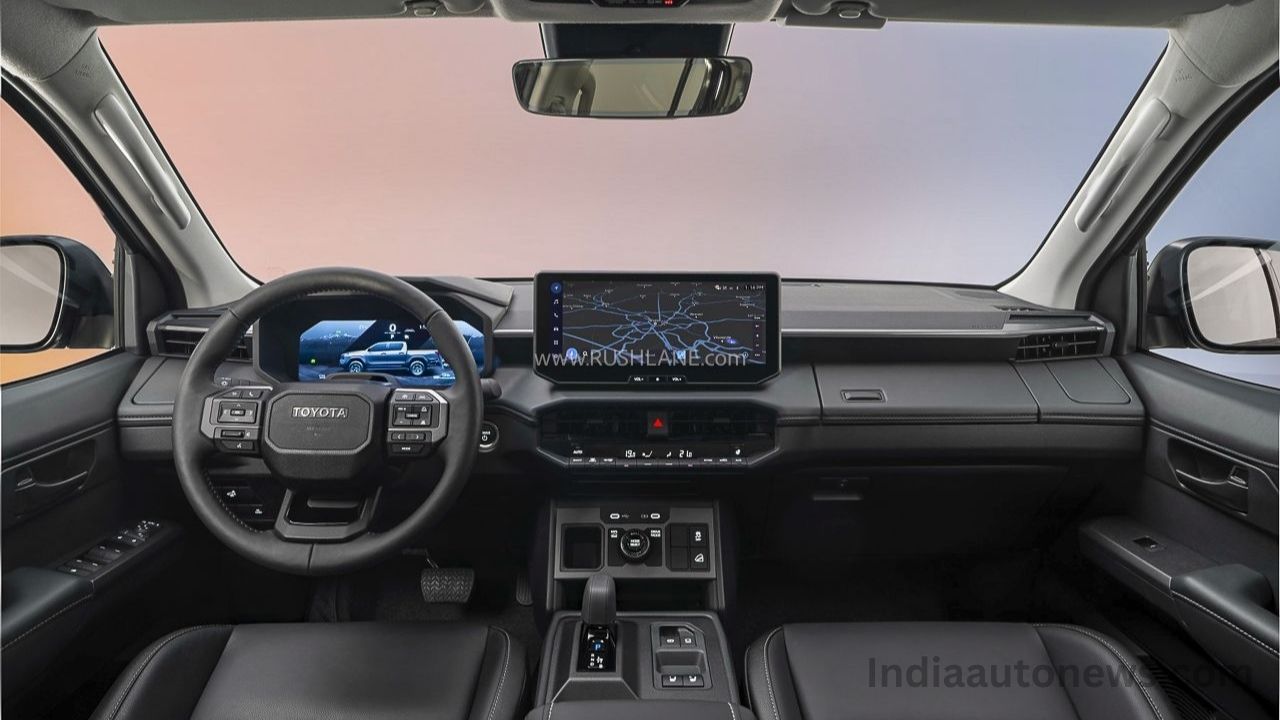
Interior
The interior has been remodeled with technology and comfort for the cabin. The dashboard consists of a customizable 12.3-inch driver display and a 12.3-inch infotainment touchscreen, in addition to grouped off-road controls and a shift-by-wire selector in the BEV version. Among the connectivity features are wireless phone charging, rear USB ports, and remote access via the MyToyota app, which not only allows for fleet monitoring and vehicle tracking but also provides driving analytics.
Safety
Electric power steering has been installed to upgrade the safety and handling of the vehicles giving them more control. The Toyota T-Mate suite has now included a range of various advanced features, like Proactive Driving Assist, Low-Speed Acceleration Suppression, Emergency Driving Stop System, Blind Spot Monitor, Safe Exit Assist, and a Driver Monitor Camera, among other things. All these systems will be kept up-to-date by over-the-air (OTA) software updates.
Engine
With the help of dual e-axles, a 59.2 kWh lithium-ion battery powers the Hilux BEV giving a combo of torque of 473.6 Nm and instant all-wheel drive. It can carry 715 kg, pull a weight of 1,600 kg, and is estimated to have a range of 240 km (WLTP). The car will be able to go off-road because of the Multi-Terrain Select feature and can even handle water crossing just like the diesel models do.
The 48V Hybrid is the combination of a 2.8-liter diesel engine and an electric motor-generator that works in tandem creating more power and less emissions. Apart from that, traditional internal combustion variants such as the 2.8-liter diesel and the 2.7-liter petrol will still be around in some countries such as India where they will be available for purchase. Looking further into the future, the Hilux FCEV that is anticipated to be ready in 2028 will give rise to zero emission performance that is coupled with an extended range and quick refueling thus integrating Toyota’s hydrogen ecosystem even more.