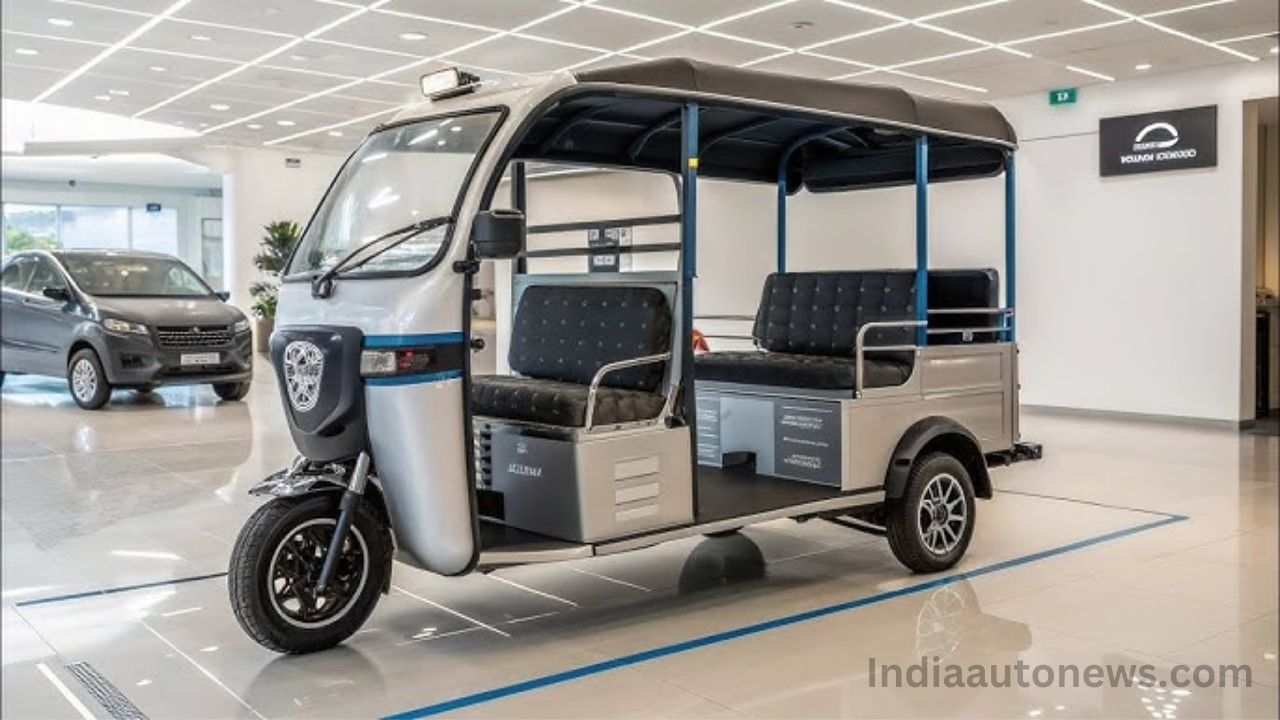
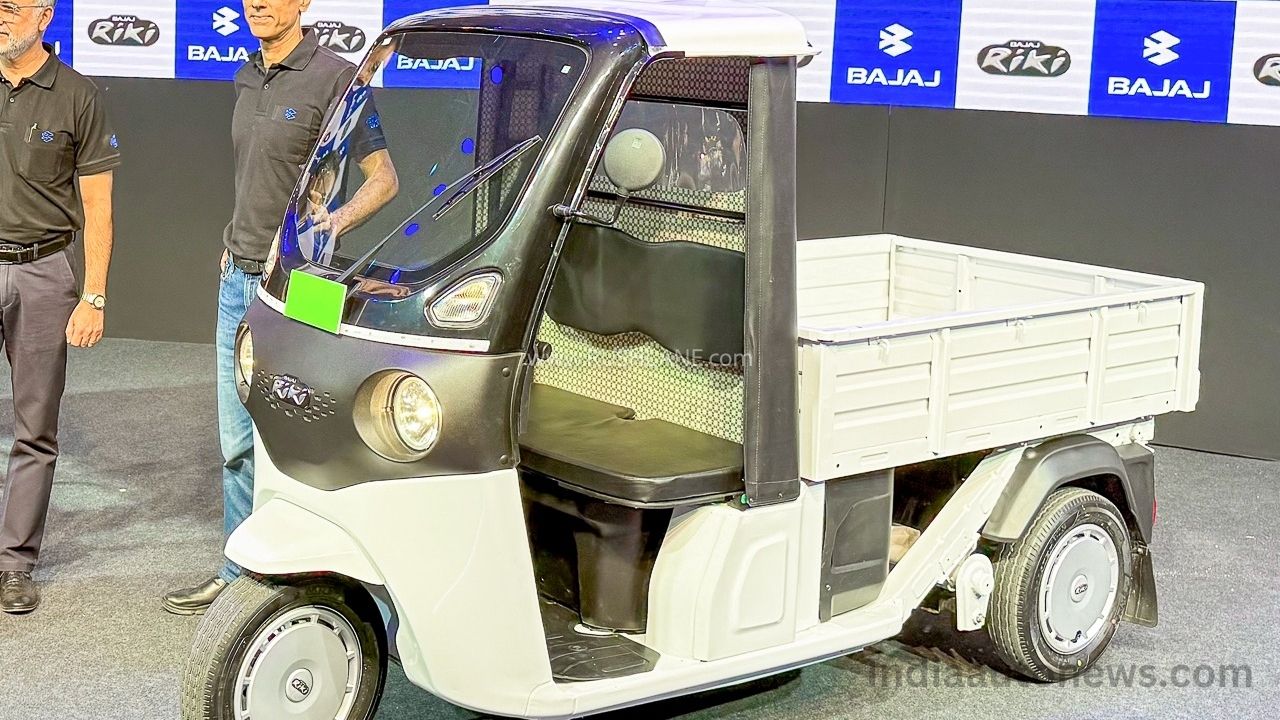
The Bajaj Riki, an electric rickshaw of the company Bajaj Auto, comes with a passenger and cargo version made for the contemporary urban movement. Notably, the pandemic has boosted the e-rickshaw sector demand, and Bajaj wants to address the main concerns of the users limited range of e-rickshaws, weak chassis and bad braking. So, it is showcasing Riki as a more dependable and thus a safer option.
The passenger model Bajaj Riki P4005 uses a 5.4 kWh battery and claims a range of 149 km which is the longest in the category and is priced at ₹1,90,890 (ex-showroom). The cargo variant Riki C4005 additionally has a range of 164 km, a larger cargo space for 500 kg, and 28% steepness for an easier ride on urban hills. This is to make it more competitive in the urban environment and is priced at a little higher at ₹2,00,876 (ex-showroom). The same fast charging support is offered for both variants, with a full charge done in 4.5 hours, and they come with a three-year battery warranty.
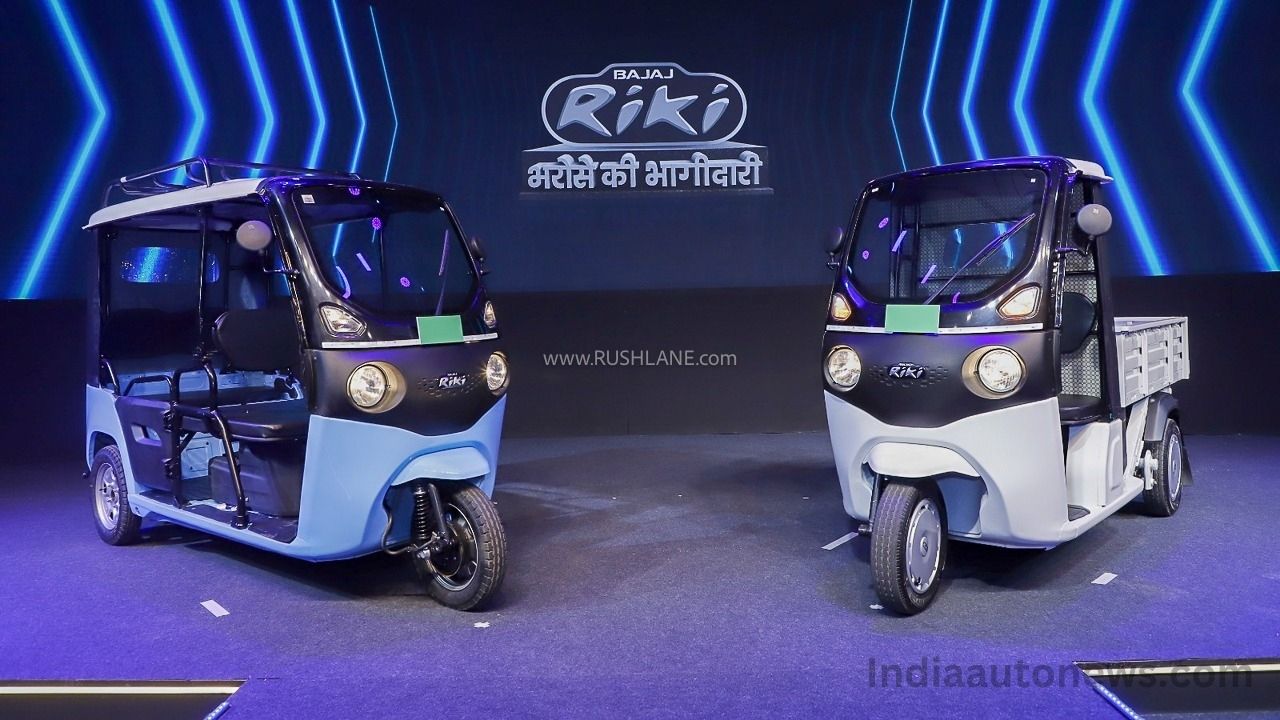
Riki brings monocoque chassis, which gives the vehicle strength, besides, it has independent suspension and hydraulic brakes, improvements that are not common in the e-rickshaw segment. These components have been rigorously tested in Patna, Moradabad, Guwahati, and Raipur trials, and furthermore, the company plans to set up sales outlets in 100+ towns in Uttar Pradesh, Bihar, Madhya Pradesh, Chhattisgarh, and Assam as part of the first phase.
In a statement, Samardeep Subandh, President of Bajaj Auto’s Intra-City Business Unit, highlighted that the Riki has been engineered to be reliable last-mile mobility solution while benefiting drivers with increased wages and offering customers improved safety and comfort. Hence, Bajaj Riki is not only India’s first e-rickshaw but a standard setter that caters to both commuting and carrying goods in the electric rickshaw market.